
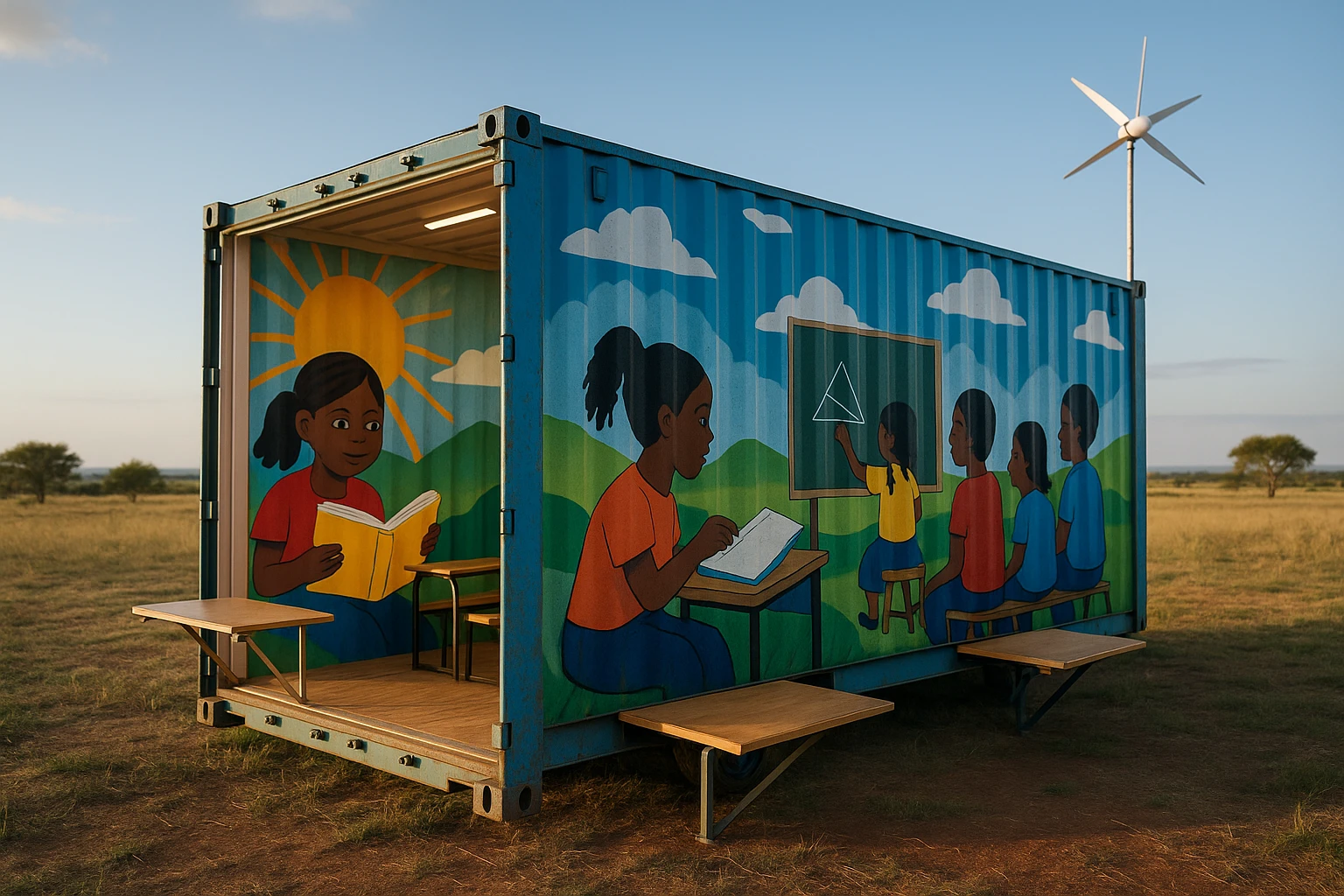
Introduction to Mobile Classrooms in Rural Communities
Education in rural areas faces unique challenges—ranging from long travel distances to limited infrastructure—which demand creative, flexible solutions. Mobile classrooms are increasingly becoming a powerful means to bridge these gaps, delivering education directly to remote communities. Instead of relying solely on brick-and-mortar schools, educators and policymakers are exploring a mix of transportable units, digital connectivity strategies, and hybrid mobile learning models to ensure equitable access.
Various models exemplify how innovation meets necessity. In Gorakhpur, India, the ‘Wisdom on Wheels’ initiative transformed a CNG bus into a high‑tech mobile computer lab equipped with 16 computers, Wi‑Fi, UPS backup, and air conditioning—providing hands‑on digital literacy training to rural learners through university outreach efforts Times of India. Similarly, modular trailers in North America—customized with STEAM tools, 3D printers, smartboards, and ADA accessibility—offer dynamic learning environments tailored to local educational goals Theresa S. Jacobs.
Amid these examples, the question arises: how might stakeholders explore what options exist for mobile classrooms in rural areas? Embedding that inquiry into planning demands awareness of both existing models—such as converted buses, specialty trailers, and pop‑up labs—and infrastructure enablers like reliable internet connectivity. Mobile hotspots and LTE/5G solutions from providers like Mobile Citizen or Ericsson ensure that even on wheels or in trailers, classrooms maintain digital access via unlimited data plans or secure wireless networks Mobile Citizen and Ericsson.
Through these integrated approaches—physical mobility combined with digital connectivity—mobile classrooms can transform how rural students access learning. This introduction sets the foundation for a deeper exploration of specific mobile classroom models, funding pathways, implementation strategies, and lessons drawn from successful deployments. The following sections will build on this foundation, offering actionable insights and detailed examples for those seeking to understand and implement effective mobile education in underserved areas.
Exploring Practical Mobile Classroom Models
Delving into real-world innovations helps clarify what options exist for mobile classrooms in rural areas? A diverse range of models has emerged globally, blending transportation, adaptability, and technology to bring education directly to underserved students.
Bus-Based Mobile Classrooms and STEM Labs
A compelling example comes from Ohio, where the 35-foot Mobile Design Classroom—funded by Apple and Google—was deployed by Ohio State University Extension to deliver STEM learning in Appalachian foothill towns. This bus-based lab visits libraries and camps, providing tablets, smart boards, and digital media experiences where broadband access is limited osu.edu. Similarly, in Arkansas, the Harrison school district retrofitted a decommissioned school bus into the “GOBSmobile,” a mobile library, science lab, and Wi-Fi hotspot. In its first year, it served 2,700 students across a 200-mile rural district with hands-on experiments, book loans, and remote learning support govtech.com.
Floating Schools for Geographically Challenged Regions
In Bangladesh, the Floating Schools initiative is a striking example of adapting to flood-prone, remote environments. Crafted by the NGO Shidhulai Swanirvar Sangstha since 2002, these solar-powered boat classrooms traverse rivers and haor regions. Equipped with computers, books, solar panels, and teaching materials, they have educated tens of thousands and adapted education to the unique challenges of monsoon-submerged communities en.wikipedia.org.
Modular Portable Classrooms
Another option involves modular, transportable buildings known as portable classrooms or relocatables. Pre-fabricated in factories and assembled onsite, they offer temporary or semi-permanent space where permanent school expansion is financially or logistically impractical. While cost-effective and quick to deploy, these units often suffer from outdated infrastructure and may remain in use beyond their expected lifespan en.wikipedia.org.
Hybrid and Off-Grid Learning Solutions
In contexts where consistent connectivity is a barrier, offline-first approaches can be effective. For instance, the Kolibri platform enables content to be downloaded to a device in a connected area and shared over local networks, even via physical transport. This creates a mobile, peer-to-peer educational network that works without continuous internet access hundred.org. Such solutions complement vehicle-based models and can be a crucial tool for remote villages or refugee communities.
These use cases—bus-based STEM labs, floating classrooms, modular trailers, and offline digital networks—demonstrate how creative adaptations can extend learning in remote environments. They underscore actionable strategies for stakeholders seeking to design, fund, or scale mobile education in rural contexts.
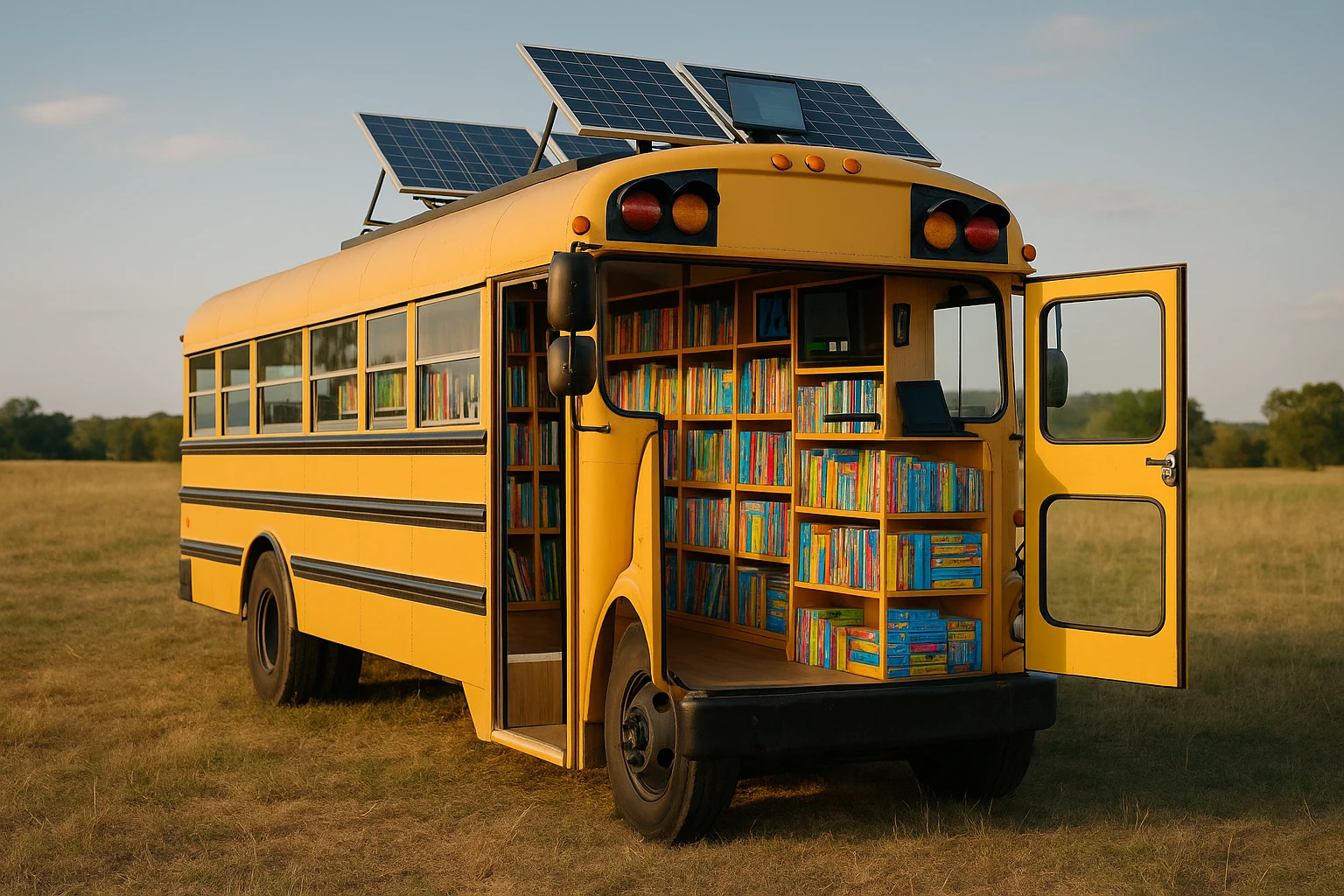
Innovative Approaches to Mobile Classrooms in Rural Settings
In addressing the challenges of providing quality education in remote areas, mobile classrooms have emerged as a pivotal solution. These classrooms are not only innovative but also versatile, meeting the specific needs of rural communities. They represent a crucial component in the broader conversation about what options exist for mobile classrooms in rural areas.
Solar-Powered Mobile Units
One of the most sustainable options is the solar-powered mobile unit, which minimizes environmental impact and operates independently of local infrastructure. These units leverage solar panels, as depicted in rural deployments where energy resources are scarce. For example, educational initiatives in India have utilized solar-powered buses to reach isolated villages, providing access to learning materials and technology otherwise unavailable. Such projects have demonstrated significant improvements in literacy rates and student engagement. According to a report by the Brookings Institution, solar-powered classrooms can reduce operational costs by up to 30% compared to traditional setups.
Mobile Learning Labs
Mobile learning labs focus on practical, hands-on education, particularly in science and technology. These labs travel between schools, equipped with specialized equipment and resources that allow students to conduct experiments and participate in workshops. The flexibility of mobile labs helps bridge the gap for schools lacking the resources for a permanent science lab. For instance, in South Africa, the University of the Free State implements mobile labs in under-resourced schools, offering curriculum-aligned science education to thousands of students each year.
Partnerships and Collaborations
Strategic partnerships enhance the reach and effectiveness of mobile classrooms. Organizations like JCPSA provide comprehensive resources for educational outreach, facilitating partnerships between non-profits, schools, and technology companies. Such collaborations ensure that mobile classrooms are equipped with cutting-edge tools and tailored resources for diverse educational needs.
By harnessing these innovative models and partnerships, educational institutions can greatly expand their reach. For rural communities, these mobile classrooms offer not only a means of education but also a window to the world, empowering students and fostering long-term development.
Innovative Deployment Models for Mobile Classrooms
Building on earlier discussion of bringing education to underserved regions, this section explores several innovative deployment models that illustrate how mobile learning environments adapt to varying rural needs. Understanding what options exist for mobile classrooms in rural areas? reveals diverse solutions tailored to geographical, cultural, and technological constraints, using compelling real-world examples and practical strategies.
Floating Schools for Flood-Prone Communities
In Bangladesh’s flood-prone haor regions, the NGO Shidhulai Swanirvar Sangstha pioneered the “Floating Schools,” which are boat-based mobile classrooms powered by solar energy and equipped with internet access, books, and computers. Initiated in 2002 under architect Mohammed Rezwan, these mobile floating classrooms have educated approximately 100,000 students and continue to reach remote riverine communities despite seasonal flooding Shidhulai’s Floating Schools. By navigating waterways, this model overcomes isolation and maintains educational continuity year-round.
Custom Trailers and Buses & Modular Portables
For more adaptable terrestrial solutions, organizations like High Level Enterprises and Expandable offer custom-built trailers and mobile classrooms fitted with smartboards, climate control, and ADA-compliant access. These units provide learning spaces that can travel directly to rural communities and serve as makerspaces, STEM labs, or even temporary disaster-response classrooms High Level Enterprises’ mobile classroom projects. Similarly, modular “portable school” units delivered by companies such as ZN House allow for fast deployment of relocatable classrooms—including multi-room units for remote areas—and have been successfully deployed in settings like Kenya’s Maasai highlands, improving enrollment and reducing travel burdens ZN House Portable Schools case studies.
Connected Buses as Learning Environments
Another mobile classroom variant involves converting school buses into Wi‑Fi–enabled learning spaces. In Southwestern Kansas, United Wireless equipped a district’s school bus fleet with LTE routers, enabling students to access the internet while in transit. This approach transforms travel time into productive learning moments, enabling greater continuity in rural educational access and helping mitigate connectivity gaps in remote areas Connected school bus pilot in Kansas.
Taken together, these examples—from floating classrooms to modular trailers and connected buses—showcase the adaptability and effectiveness of mobile education solutions tailored to rural contexts. Each model provides actionable insights for stakeholders aiming to expand learning opportunities: floating boats that defy geography, well-equipped trailers that bring curricula directly to communities, and bus-based classrooms that make efficient use of transit time. These flexible options underscore the importance of matching educational delivery methods to the real-world conditions and needs of rural learners.
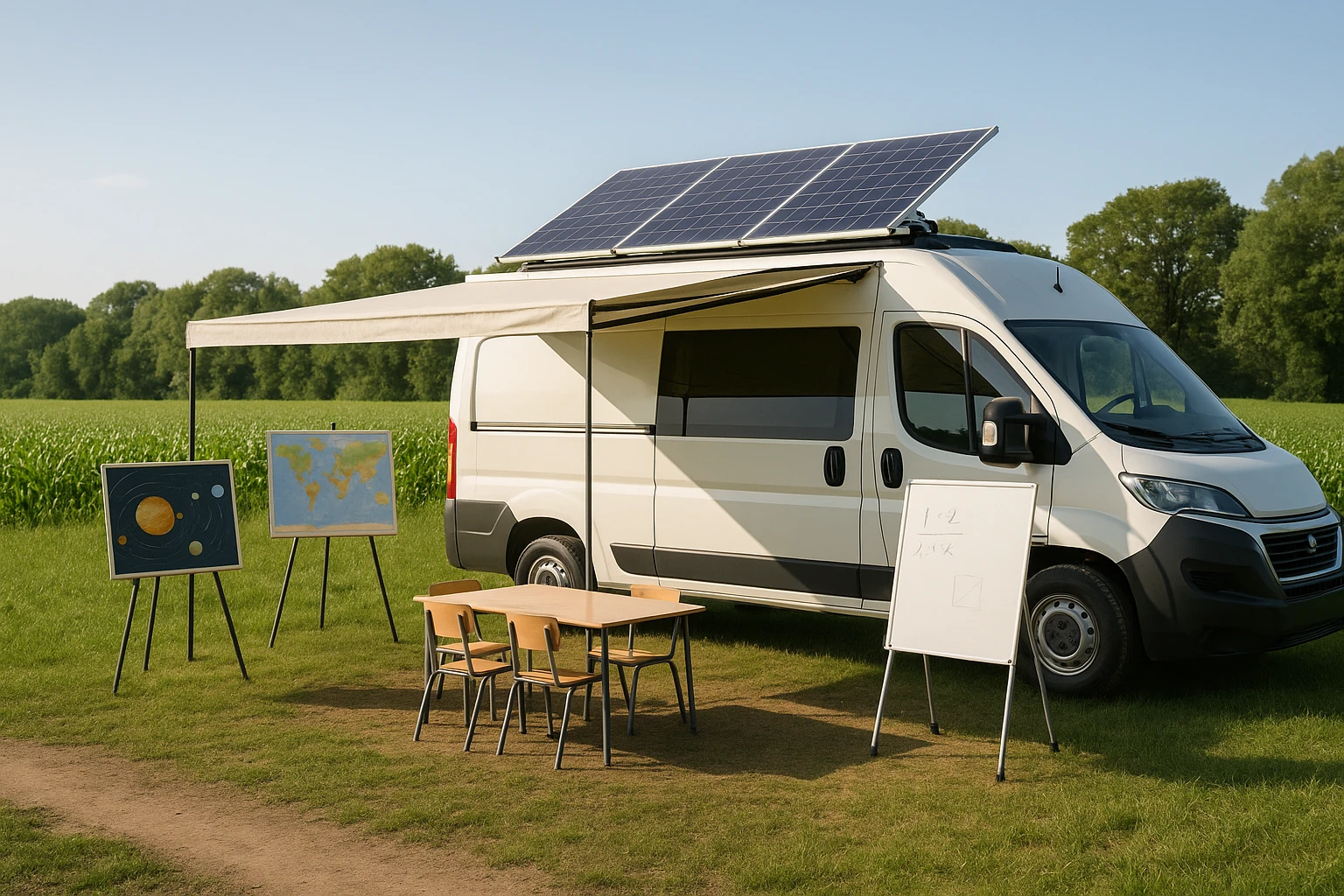
Conclusion: Embracing Mobile Classrooms for Rural Education Enhancement
As the conversation around educational equity continues, exploring what options exist for mobile classrooms in rural areas remains a critical consideration for stakeholders. These classrooms provide transformative solutions for bridging the educational divide, particularly in remote regions. By harnessing innovative approaches such as solar-powered vans and adaptable modular constructions, communities can access learning environments that would otherwise be unavailable.
Mobile classrooms have shown tangible impacts in various settings. For instance, the use of retrofitted buses equipped with modern technology has enhanced student engagement by bringing education to their doorstep. Programs like those in developing countries, which utilize such vehicles to deliver schooling where infrastructure is lacking, offer a glimpse into the potential for adapting these models in rural areas globally. According to a study by UNESCO, mobile education solutions can significantly reduce barriers faced by rural students, providing them access to quality education and digital resources.
To effectively implement these solutions, collaborations between governments, NGOs, and private sectors are crucial. Such partnerships can facilitate funding, provide technical expertise, and ensure the sustainability of mobile classroom initiatives. Moreover, leveraging technology—such as portable internet solutions and e-learning platforms—can further enhance the educational experience. Initiatives like JCPSA can be instrumental in navigating these complexities. By utilizing the resources and support offered by JCPSA, schools and communities can develop tailored strategies for deploying mobile classrooms in their regions.
Looking forward, the focus should be on creating scalable and adaptable mobile education systems that cater to the unique needs of rural students. Policymakers and educators need to continue exploring innovative methods to deploy and maintain these mobile classrooms while ensuring they are inclusive and accessible. By taking actionable steps today, we can pave the way for a more equitable educational landscape and ensure that no child lags behind due to geographical limitations.
In conclusion, understanding and expanding what options exist for mobile classrooms in rural areas is not just a question of logistics but one of commitment to educational equity. By embracing these mobile solutions, communities have the opportunity to transform education in rural locales, making quality learning an achievable and sustainable reality for all.


